
—中文版本(繁體)—
在寒冷的夜晚,將雙足浸入 41°C 的溫熱水中,會感到由下而上的暖流瞬間趕走腳底冰冷。雙腳逐漸回暖的同時,全身也跟著鬆弛下來。短短十分鐘的足浴,好比為身體披上一層溫暖的保護膜,為即將到來的睡眠先行鋪墊。
這樣的足浴溫度接近天然溫泉的舒適熱度(一般體溫約37°C,因此41°C屬於明顯溫熱但可忍受的範圍)。研究顯示,40°C以上的足浴往往能帶來顯著的生理效果。
41°C足浴的理想溫度與感受
選擇足浴水溫時,41°C被視為一個黃金溫度,特別是在天冷時。
專家建議足浴的水溫38°C–42°C為宜。
其中冬季可偏高至 41–42°C,夏季可調低至 38–39°C。
41°C的水溫觸感明顯溫暖,但不至於燙傷皮膚。對初次體驗者來說,可先從較低溫度如38°C開始,逐步增至41°C以適應。這個溫度能充分擴張足部的微血管,帶來明顯的暖意。
值得注意的是,保持水溫同樣重要。準備足浴時,建議使用深桶讓熱水沒過腳踝並盡量保溫,避免水溫快速下降。
最好使用溫度計測量水溫,避免憑感覺倒入過熱的水。若是第一次泡腳,可從 38°C 開始,逐漸調整至適合的溫度。
**41°C有多暖呢?**大約相當於泡溫泉時那種「有點燙但很舒適」的程度。雙腳浸泡其中數分鐘後,全身便會微微發熱,這正是足浴開始發揮作用的信號。切忌將水溫調得過高以致皮膚發紅,亦不宜水溫過低失去效果。在掌握好溫度的前提下,41°C足浴帶來的暖意既能讓人全身舒展放鬆,又不致引發不適,為後續的循環改善與睡眠鋪路。
足浴對血液循環的促進作用
暖足先暖身。將雙腳浸泡在41°C熱水中,可以有效促進足部及周邊的血液循環。熱刺激會使足部血管擴張,加速血液流動,改善因寒冷引起的末梢循環不良。同時,身體遇熱會進行散熱反應:血液由核心流向皮膚以將熱量散出。足浴正是利用這一原理,使更多血液循環至下肢與足部,不僅雙腳變暖,全身也因血流增強而漸感溫熱。
科學研究也佐證了足浴對循環的益處。一項臺灣研究觀察了高齡者在40°C與41°C熱水中足浴時的皮膚溫度變化。結果顯示,在泡腳進行到第10分鐘時,受試者的足部與腹部皮膚溫度差(即遠端-近端體溫梯度,DPG)明顯增加。
換言之,短短十分鐘足浴已顯著提升了足部末梢的血流與溫度,尤其在41°C水溫下效果更佳(DPG值略高於40°C)。
研究者指出:「Both 40 and 41°C foot bathing for 1h can increase the DPG and may be an effective way to affect whole body skin blood flow and trigger heat dissipation」(中文翻譯:40°C與41°C的足浴都能提高遠端-近端體溫差,可能有效增加全身皮膚血流並啟動散熱機制)。
可見,足浴能擴張周邊血管,讓皮膚血流量上升,幫助身體把熱帶到體表散發。對於經常手腳冰冷的人,睡前泡個41°C足浴是簡單又有效的暖身方式。不僅雙足溫暖,全身也因血液循環改善而蓄積暖意,這正是為進入睡眠做準備的重要步驟之一。
值得一提的是,白磺溫泉水中特有的礦物成分也對循環有加成的物理作用。例如,白磺湯花溫泉粉中含有的鈣、鎂離子溶於熱水後,可協助舒緩肌肉、促進末梢循環。
雖然礦物質本身並非藥物,但透過熱水媒介與皮膚接觸,能在物理層面帶來舒適感。泡腳時散發的淡淡硫磺泉氣味也有助於放鬆心情。這些小小的輔助雖談不上治療效果,卻能讓足浴體驗更趨完美。
足浴如何改善睡眠品質
溫暖的足浴不僅暖身,更能催眠。人在入睡前,核心體溫需稍微下降才能順利進入深眠,而末梢皮膚溫度上升正是讓核心體溫降低的關鍵。
泡腳使足部血管擴張、皮膚溫度上升,促進熱從體內散發,核心體溫因此緩緩下降,腦部便接收到「該睡了」的信號。難怪在東方文化中,睡前泡腳被視為安眠養生的傳統小偏方,如今西方科學也證實了此一原理。
正如文獻所述:「Bathing feet with warm water before going to bed is a widely used method that improves the quality of sleep」(中文翻譯:睡前用溫水泡腳是一種廣泛使用且能提升睡眠品質的方法)。這說明睡前足浴的確有助於我們更快、更好地入睡。
不僅如此,臨床試驗也多次記錄了足浴對睡眠的正面影響。一篇2024年的系統性綜述彙整了10項足浴改善長者睡眠的研究,發現其中90%的試驗都報告了足浴能提升老年人的睡眠品質。尤其在多數研究中,足浴使用高於40°C的熱水且在睡前一小時內進行,效果最為明顯。
例如,BMC Geriatrics期刊的一項研究結論寫道:「foot baths with warm water can be used as an easy, simple, and safe nursing intervention to improve sleep quality.」(中文翻譯:溫水足浴可作為一種簡單、安全的護理介入手段,以提升睡眠品質)。
這充分證明了睡前來個10–20分鐘的熱水泡腳,對提升睡眠質量大有幫助。
值得注意的是,足浴對不同人群皆有益處。不論是一般成年人、更年期女性或是術後復原者,研究皆顯示足浴有助於縮短入睡時間並提高睡眠深度。
雖然偶有研究未發現顯著效果,或某些患者因健康因素而療效不明,但總體而言,絕大多數研究支持足浴的助眠功效。因此,養成睡前足浴的習慣並配合規律的就寢時間,是改善失眠、提升睡眠品質的簡單可行之道。

足浴對免疫力的影響
長期處於壓力或疲勞狀態,免疫系統往往會受到抑制。反之,適度放鬆與良好睡眠則能增強免疫功能。足浴作為一種放鬆身心的簡單療法,自然也間接有利於免疫力。
首先,泡腳促進血液循環,意味著免疫細胞可更順暢地在體內運輸巡迴。同時,透過足浴讓身體進入放鬆狀態,也能降低因壓力引起的免疫抑制反應。例如,當我們緊張焦慮時,體內壓力荷爾蒙皮質醇上升,長期高皮質醇會削弱免疫反應。而足浴有助於降低皮質醇水平、提升免疫指標。
有研究以唾液中的免疫球蛋白A(sIgA)作為觀察指標,發現足浴後這種免疫指標明顯上升。
sIgA是人體黏膜免疫的重要一環,壓力大時其分泌量往往降低,而放鬆時則升高。研究者比較了一次15分鐘的溫水足浴與單純平躺休息,結果兩者都讓受試者進入放鬆狀態,但足浴組的放鬆指標提升更為明顯。
其中,足浴後皮質醇顯著下降,sIgA則上升,顯示足浴能讓身心進入放鬆狀態。
正如該研究的結論指出:「WW Footbaths can be an effective method of relaxation, since it induces both a significant increase in parasympathetic activity and significant decrease in sympathetic activity」(中文翻譯:包裹式溫暖足浴是一種有效的放鬆方法,能顯著提高副交感神經活動並降低交感神經活動)。
副交感神經興奮意味著身體處於休養生息模式,免疫系統得以正常運作;交感神經(與壓力反應相關)活動降低則意味著壓力荷爾蒙減少,免疫機能不再受到抑制。
當然,足浴本身並非直接提升免疫力的藥方,但透過減壓與助眠兩大途徑,卻能全面性地讓免疫系統受益。每晚泡腳十分鐘,讓身心放鬆、睡得更好,長期下來等於給免疫細胞一個穩定運作的環境。許多養生人士也將泡腳視為日常保健儀式,相信持之以恆能增強體質、減少小病痛。從現代醫學角度看,這種說法並非沒有道理:當我們壓力降低、睡眠充足時,免疫防線自然較為穩固。因此,不妨把足浴當作提升免疫力的輔助策略之一,它帶給您的不只是片刻溫暖,更可能是更強健的身心。
足浴紓壓與自律神經調節
泡腳有「窮人的按摩」之稱,其放鬆減壓的效果有時不亞於專業SPA。
將雙腳浸入溫水後,身體會啟動一連串自律神經調節反應:交感神經(負責緊張、警覺)活動降低,副交感神經(負責放鬆、休息)活動增加。您可能也曾發現,泡腳不到十來分鐘,全身就開始微微出汗、呼吸放慢,彷彿緊繃了一天的神經終於鬆開了。這正是足浴紓壓作用的最佳證明。
從心理與生理實驗上看,足浴對壓力荷爾蒙的影響也十分明顯。前述研究中,足浴能顯著降低皮質醇水平。皮質醇是衡量壓力反應的重要指標,長期偏高不僅削弱免疫,還會導致焦慮、睡眠品質下降等問題。透過每晚的泡腳,我們等於給大腦一個暗示:「現在是放鬆時間,可以解除警報了」。久而久之,身體對壓力的敏感度可能降低,也就是更不容易因小事而緊張。難怪許多上班族回家後喜歡先泡個腳,洗去一身的疲憊和壓力。
除了熱水本身的作用,創造一個舒壓的足浴環境也能讓效果更加分。例如,可在足浴盆中滴入幾滴薰衣草或洋甘菊精油,利用芳香療法舒緩神經。同時播放輕柔的音樂、調暗燈光,也能讓泡腳變成一場儀式般的冥想時刻。日本和臺灣的傳統中都有利用足湯來放鬆心情的文化——在戶外溫泉的足湯池旁,人們邊泡腳邊聊天,正因為熱水確實能幫助消除心理屏障,帶來愉悅與社交放鬆。
總而言之,足浴是一種身心皆放鬆的活動:生理上,它透過神經與內分泌的調節減輕壓力反應;心理上,那溫熱的觸感與專注當下的十分鐘,宛如把我們從繁忙日常中抽離出來,得到寶貴的喘息機會。現代人生活節奏快,更需要這樣刻意慢下來的片刻。每天花10–15分鐘泡泡腳,不僅是在暖身,更是在沉澱心情。長遠來看,這有助於降低慢性壓力水準,進而改善整體健康狀況。
41°C足浴實踐:白磺湯花產品與使用建議
了解了足浴的諸多好處後,我們來談談如何正確泡腳以及善用一些小工具來提升體驗。以下是打造41°C白磺足浴的實用指南與產品建議:
1. 準備合適的容器與水量: 選擇深度可浸到腳踝以上的泡腳盆或桶,材質以木盆或厚塑膠桶為佳,保溫效果較好。加入約4–6公升的熱水(依容器大小調整),水量需足夠覆蓋足部並及踝。建議在旁準備一壺熱水,隨時可添水以維持溫度。
2. 控制水溫在約41°C: 如前文所述,可先以38°C左右起步,再逐漸添加熱水至40–41°C。最好使用水溫計測量水溫,以確保穩定在理想範圍。切忌直接倒入沸水浸腳,以免燙傷;可先混合冷水調至適宜溫度,再開始泡腳。若無溫度計,可用手肘或腳背試水溫,感覺溫熱但不燙為宜。
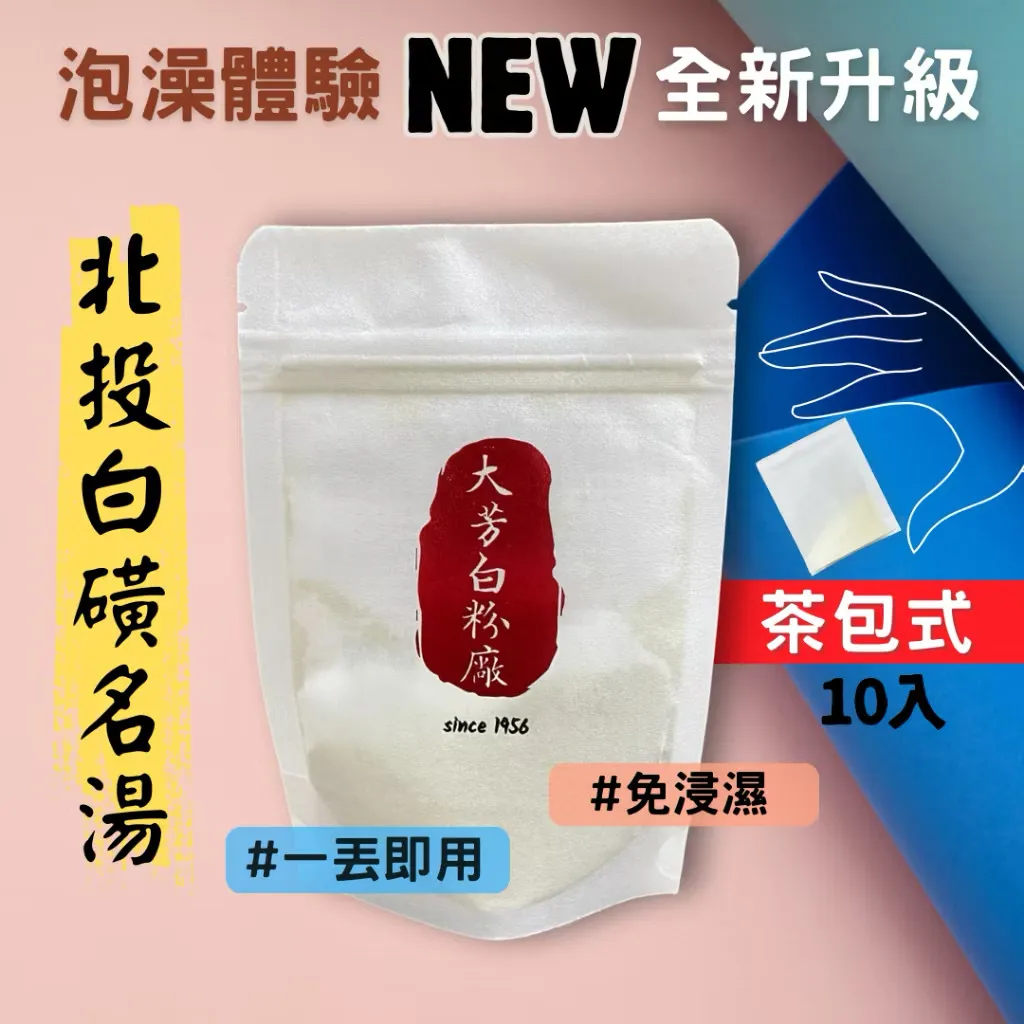
3. 添加白磺溫泉粉提升體驗: 想在家重現北投白磺溫泉的感受,不妨加入適量天然白磺湯花溫泉粉。這種由臺灣北投硫磺谷萃取的溫泉結晶粉末,富含硫磺、鈣、鎂等多種礦物質,無人工香精與添加物,能讓泡腳水呈現乳白色澤並散發出白磺泉特有的微硫香氣。使用方式也很簡單:以大芳白粉廠出品的7克小包裝為例,泡腳可使用約半包至1包溫泉粉(泡澡則可一次用完整包)。將粉末倒入熱水中後攪拌,使之均勻溶散;湯花不溶解屬正常現象。透過溫泉粉的加入,您無需出遠門,也能在家享受仿若北投硫磺泉的足浴體驗:淡淡的硫磺泉香有助鬆弛神經,水中的礦物離子輕柔滋養皮膚,堪稱一舉多得。
在家進行白磺足浴時,藉由天然溫泉粉的加入,足浴水會呈現如圖般的乳白色澤,宛如一座迷你溫泉池。這正是白磺礦物釋放的結果,不僅無害,反而讓足部皮膚浸潤在豐富的礦物離子中。許多使用者反映,每週堅持數次白磺足浴,雙腳皮膚會變得比較柔滑潤澤。此外,白磺泉的硫化氫微香氣還有輕微除臭效果,有助去除足部汗味,對常被腳臭困擾的人是一大福音。
4. 泡腳時間與頻率: 每次泡腳建議10–20分鐘即可,不需超過30分鐘。尤其初次嘗試或體質較弱者,可從10分鐘起步,再逐步延長至15–20分鐘。切勿誤以為“泡越久越好”,過長時間浸泡反而可能導致頭暈、出汗過多等不適。每週進行2–4次足浴即可達到保健效果;若平日繁忙無法每天泡腳,固定每週泡3次左右(例如每週一、三、五)也是很好的習慣。需要注意,飯後不宜立刻泡腳,至少要間隔30分鐘以上。而睡前泡腳則建議安排在睡前30–60分鐘完成,給身體一些時間從泡腳的熱身狀態過渡到平靜,有助於更快入睡。
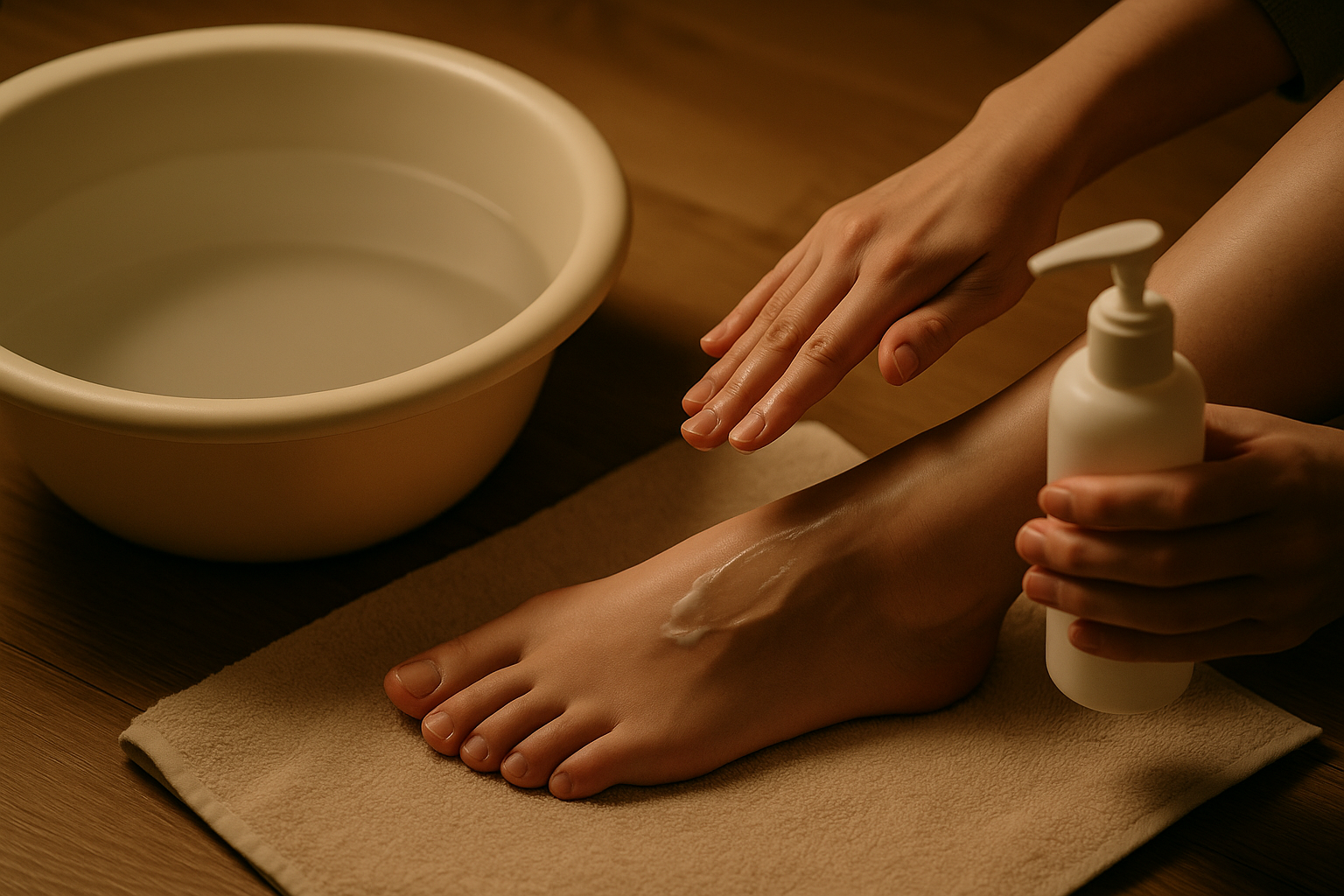
5. 泡腳後的保養: 結束足浴時,切忌猛然拔腳受涼。正確做法是緩緩抬起雙腳離開熱水,稍微晾一下再用柔軟毛巾擦乾。同時可用清水將足部沖淨,避免礦物質殘留皮膚表面過久導致乾澀。擦乾後,趁皮膚尚有溫熱水分時塗抹些許潤膚乳液或乳霜,替足部肌膚鎖住水分、保持柔嫩。最後,將泡腳盆中的水倒掉並清洗乾淨,避免礦物殘留結晶附著桶盆。如此一步步做好收尾工作,能確保泡腳後雙足保持溫暖舒適,肌膚不因礦物殘留而變乾。
6. 注意事項: 大多數人皆適合泡腳,但仍有幾點須留意。孕婦、糖尿病患者或足部有傷口者,在泡腳前最好諮詢醫師並嚴控水溫與時間。生理期女性可照常以溫水泡腳,但避免在經期大量出血時長時間浸泡,以免促進血液循環後經血過多。夏天進行足浴時可將水溫降至約38°C,時間維持10分鐘左右,也能達到放鬆效果。若泡腳時出現頭暈、心悸、過度冒汗等不適,應立即停止,慢慢站起並休息,以免血壓驟降引發暈眩。總之,一切以適度為原則,隨時留意自己身體的反應才能安全受益。
透過以上步驟,相信您已掌握如何在家輕鬆展開41°C白磺足浴的全套流程。
如果想了解更多專業建議與科學依據,不妨參考我們的《溫泉粉泡腳安全指南》,其中提供了水溫設定、使用溫泉粉、頻率及注意事項等詳細解說。
此外,歡迎造訪大芳白粉廠官網的其他文章,探索更多有關溫泉粉與健康知識的內容。透過科學與實踐的結合,您也能將每天簡單的足浴,變成守護健康的幸福儀式。
常見問題(FAQ)
Q1: 足浴的水溫一定要精確41°C嗎?
A1:不用精確到每一度,但建議落在38–42°C的範圍內效果最佳。41°C只是多數人感到舒適又有療效的溫度。如果沒有溫度計,可用2/3熱水混合1/3冷水,大致可得到約40°C的溫水。下水後如覺得偏涼,可慢慢添加熱水調整。但請避免明顯過燙的水溫,以免適得其反。
Q2: 泡腳需要泡多久?10分鐘夠嗎?
A2:一般建議每次泡腳15–20分鐘較為理想。10分鐘屬於較短時間,但若能天天泡腳,效果也不錯。研究顯示,在泡腳約10分鐘時生理效應就會出現,例如皮膚血流量和溫度的提升。若時間允許,15分鐘能讓身體得到更充分的放鬆;但超過20分鐘則可能開始有疲勞感,因此不宜過久。
Q3: 哪個時間泡腳最有助於睡眠?
A3:睡前一小時左右是泡腳促進睡眠的黃金時段。例如預計11點上床,可在10點左右開始泡腳15分鐘至10:15,接著喝杯溫水、靜坐放鬆,11點躺下時身體便處於溫暖放鬆的狀態,更容易入睡。需要注意,剛泡完腳時體溫可能略升、精神稍振奮,因此最好提前30–60分鐘泡完,給身體一點時間緩衝。
Q4: 使用白磺溫泉粉泡腳有什麼特別效果嗎?
A4:加入白磺溫泉粉主要是模擬天然硫磺泉的環境,增添獨特的溫泉體驗。礦物質本身不具藥效,但溶於水後可讓泡腳水呈現乳白色並散發溫泉香氣,有助於情境放鬆。許多使用者反映泡完白磺溫泉粉後,皮膚特別滑順潤澤,冬天泡腳特別舒服,且足部異味明顯減輕。此外,白磺粉無任何人工香精與色素添加,成分天然單純,老人小孩都適用。如果追求儀式感與SPA級享受,白磺溫泉粉會是很好的加分選擇。
Q5: 每天泡腳會不會對身體不好?
A5:適度的每日足浴一般是安全的,但需注意控制時間與水溫。每天泡腳15分鐘屬溫和保養方式,許多長輩也天天泡腳養生。關鍵在於水溫不要過高(不超過42°C)、時間不要過長(不超過30分鐘),並注意足部皮膚的保濕。如果泡完腳感到過度疲倦或皮膚乾燥,表示頻率或時間過多,可改為每週泡4–5次 (參考建議每週2–4次足浴為宜)讓身體有休息日。此外,夏天或身體較虛弱時,可減少泡腳次數或降低水溫,以免增加心臟負擔。
結語
透過41°C足浴這每日簡短的十分鐘,我們看到了從促進末梢循環、提升睡眠品質,到間接強化免疫、紓解壓力的多重好處。這些效益並非民間傳說,而是有科學研究支持。
我們不妨更有信心將泡腳納入日常生活。每晚睡前,在家準備一盆恰到好處的溫熱泡腳水,加入一些白磺湯花溫泉粉增添儀式感,伴隨薰衣草香氛與輕柔音樂,讓身心在睡前得到徹底的放鬆。這不僅是對雙腳的呵護,更是對自己的一份關愛。堅持這項簡單的習慣,長期而言將為你的健康與生活品質帶來潛移默化的改善。現在就開始準備屬於你的足浴時光吧!讓科學佐證的保健智慧,陪伴你暖暖度過每一個夜晚。
TAG
足浴, 泡腳, 41°C足浴, 溫泉粉, 白磺溫泉, 睡眠品質, 血液循環, 壓力調節, 免疫力,足湯, 白硫黄温泉,
延伸閱讀
—English Version—
How Warm Is a 41 °C Footbath? The Science-Backed 10-Minute Ritual for Circulation and Sleep
Summary (TL;DR). A brief warm footbath around 41 °C (106 °F) for ~10 minutes can raise peripheral skin temperature, nudge blood vessels to dilate, and cue your body toward rest—especially if you do it 1–2 hours before bedtime. This guide explains why 41 °C feels “just right,” how to run a safe, repeatable routine, and what the research says about sleep, circulation, skin pH, and the possible role of hydrogen sulfide (H₂S) in sulfurous baths. Citations are included so you can dive deeper.
Why a Footbath (Not a Full Bath)?
A footbath is fast, gentle, and low-load: you heat a small volume of water, sit comfortably, and warm the body from the extremities inward. Practically, it’s easier to slot into busy evenings, and physiologically it targets a key bottleneck: cold distal skin. When feet are warm, the brain reads that as a “safe to relax” signal, letting peripheral arterioles open up. In cool seasons—when hands and feet vasoconstrict rapidly—half-body or full baths help, but a simple footbath can deliver much of the same comfort with less cardiovascular demand. That’s why it pairs so well with the pre-sleep window discussed below.
The Science in Plain English
Peripheral circulation: warming the farthest first
Laboratory work comparing half-body, lower-leg, and foot baths shows that even a footbath around 41 °C can raise earlobe blood flow—a site far from the water—suggesting a whole-body circulatory response triggered by distal warming. In a controlled crossover design (healthy men), researchers measured earlobe blood flow, tympanic temperature, pulse, and blood pressure while subjects soaked different body regions. Footbaths still increased peripheral blood flow and skin temperature in areas not immersed, indicating that warming the feet can aid overall thermoregulation, not just local comfort.
This fits with classic thermoregulatory logic: cold exposure drives vasoconstriction in hands and feet; warm exposure reverses it, improving dexterity and comfort while lowering sympathetic drive. A small, well-timed thermal nudge can therefore produce outsized benefits for how the body feels and performs.
Sleep physiology: why 1–2 hours before bed works
A 2019 systematic review and meta-analysis on “passive body heating” (warm baths/showers) reported that a 10–15-minute bath or shower at ~40–42.5 °C taken 1–2 hours before bedtime shortened sleep-onset latency and improved sleep efficiency. The mechanism is elegantly simple: you warm the skin, then as you step out and cool gradually, core body temperature dips, which the circadian system reads as a “time to sleep” cue. A footbath can achieve a similar effect with less effort and lower cardiovascular load—ideal on weeknights.
Emerging studies that focus specifically on footbaths echo these trends: ~41 °C for ~10 minutes before bed raises skin temperature and shifts autonomic balance toward parasympathetic activity, especially in people with “cold-sensitivity” phenotypes. While effect sizes vary and not every endpoint reaches statistical significance, the directionality consistently favors relaxation and warmth.
A note on sulfurous waters and H₂S
If you use a white sulfur (yunohana) hot-spring powder, you’re recreating aspects of sulfurous spring chemistry at home. One plausible contributor to the “loosened” feel is the gasotransmitter hydrogen sulfide (H₂S)—endogenously produced in our bodies and known to dilate blood vessels through potassium channels (notably K_ATP and BK). You are not “taking a drug” in your tub; rather, this helps explain why sulfurous waters feel uniquely relaxing vs. plain tap water of the same temperature. It’s a mechanistic hypothesis, not a treatment claim.
Skin barrier and pH: why “slightly acidic” feels gentler
Healthy skin’s surface pH is naturally acidic. A multicenter study (N = 330) estimated the natural skin surface pH around 4.7, noting better barrier metrics when the surface pH stayed below 5. Mildly acidic mineral baths (typical of many sulfurous springs) therefore tend to feel gentle, especially in dry, cool weather when skin is prone to tightness. This is one reason slightly acidic soaks pair well with post-bath moisturizing for winter comfort.
Dermatology lens: balneotherapy as adjunctive care
Systematic and narrative reviews in dermatology describe adjunctive improvements in barrier function, inflammation, microcirculation, and quality of life with thermal/mineral baths (including sulfurous). These are supportive measures—not replacements for medical therapy when needed—but they align with users’ everyday experience: warmer skin, calmer itch, easier relaxation.
The 41 °C / 10-Minute SOP (Simple Operating Procedure)
Below is a repeatable, 10-minute routine that’s gentle enough for most healthy adults and practical on school nights or workdays. Always tailor to your comfort and health status.
Gear checklist
Basin that reaches above the ankles (4–6 L capacity works well).
Thermometer (cheap, invaluable).
Timer (phone is fine).
Large towel and a non-slip mat.
Optional: white sulfur (yunohana) hot-spring powder; fragrance-free moisturizer for afterward.
Dosing the water (and optional mineral powder)
Fill the basin with hot tap water and measure; aim a touch high (~42 °C), because your feet will drop it to target.
Top up with cool water until you hit ~41 °C steady.
If using a mineral powder, sprinkle 1 small spoonful (~5–10 g) while stirring. A faint mineral scent and a milky tint are normal.
Session flow (10 minutes total)
Minute 0–2: settle in. Sit, breathe slower than normal, feet fully immersed.
Minute 2–8: main soak. Stay present in the body—shoulders relaxed, jaw unclenched. If the water cools, add a little hot water back to ~41 °C.
Minute 8–10: gentle finish. Notice warmth (feet, calves, then torso). If you feel light-headed, stop—that’s a cue you over-shot temp or time.
Aftercare (1–2 minutes): Pat feet dry. Do a quick fresh-water rinse if you used mineral powder, then apply a fragrance-free moisturizer while skin is still slightly damp to lock in hydration. The mildly acidic surface milieu pairs well with emollients in dry seasons.
Weekly rhythm and the pre-sleep window
Frequency: 2–4 evenings per week works for most.
Bedtime timing: Start ~90 minutes before lights-out, so you finish ~60 minutes before bed. That gives core temperature time to drift down—a cue for sleep. The warm-then-cool trajectory is precisely what the 2019 meta-analysis highlights.
Tailoring by Audience (Quick Playbook)
High-stress professionals / light sleepers
Keep it predictable: same chair, same playlist, same 10 minutes at ~41 °C. The brain loves ritual—a consistent pre-sleep sequence becomes a powerful conditioned cue for winding down. Pair with low light and no email.
Older adults
Start conservatively (e.g., 39–40 °C for 8–10 minutes), especially if you’re new to heat exposure or have cardiovascular concerns. Sit securely, use a non-slip mat, and stand up slowly after soaking. If in doubt, ask your clinician first.
Athletes / active people
Schedule 30–60 minutes after intense training so the footbath complements—not conflicts with—post-exercise thermoregulation. If you aggressively iced after practice, wait until you’re fully comfortable before applying heat.
“Cold-sensitivity” phenotypes (cold feet/hands)
You’re the group most likely to feel dramatic comfort gains from ~41 °C, ~10 minutes. Studies in women with “hiesho” (cold-sensitivity) show increases in peripheral blood flow and epidermal temperature and trends toward parasympathetic dominance after warm footbathing.
Sensitive or very dry skin
Use the lower end of the temperature range (e.g., 38–39 °C) and keep sessions 8–12 minutes until you confirm tolerance. Moisturize right after toweling off to minimize transepidermal water loss.
Common Mistakes (and How to Avoid Them)
“Hotter is better.” Above ~42 °C, cardiovascular load rises and skin dryness accelerates. Stay near 38–41 °C; you want warmth without strain.
Over-soaking. Going >20 minutes rarely adds benefits and increases dizziness risk. The optimal window for sleep prep is ~10–15 minutes.
Starting too late. If you soak right before lights-out, you may feel briefly too warm to fall asleep. Finish ~60 minutes before bed to exploit the core-temp drop.
Skipping moisturizer in winter. Even with slightly acidic water, dry indoor air can pull moisture from skin; seal it in with a neutral emollient.
Standing up too fast. Heat plus leg-dependent pooling can cause light-headedness; rise slowly and hold a stable surface.
Why 41 °C Feels “Just Right” (A Closer Look)
Thermal sensation is not just about absolute numbers; it’s the interaction of water temperature, time, surface area, and individual variability. Around 41 °C:
Vascular: Cutaneous arterioles dilate, shunting warm blood toward skin. In experimental setups, even foot-only immersion at this temperature increases earlobe blood flow—evidence that local warming can spur systemic adjustments.
Autonomic: Heart-rate variability studies point to parasympathetic shifts after footbaths, consistent with “rest-and-digest” dominance. Effects vary across cohorts, but the trend is robust.
Perception: At ~41 °C, many people report a “hot yet comfortable” sensation: warm enough to noticeably relax muscles, not so hot that you fidget or sweat excessively. Minutes 6–10 often feel like the sweet spot—the moment body warmth “catches up” and calm arrives.
Add a white sulfur powder and you introduce a slightly acidic mineral milieu, closer to the skin’s natural pH. That often translates to less tightness after soaking (especially if you moisturize immediately).
Finally, while data are still evolving, H₂S signaling offers a plausible explanation for the uniquely soft, “vasodilated” feel of sulfurous waters: the molecule can activate K_ATP and BK channels, easing vascular tone. Again, this is physiology, not pharmacology in your basin, but it coheres with users’ lived experience.
Safety First (Read This If You Have Health Conditions)
Warm footbaths are gentle for most people, but heat is still a physiological stressor. The following people should consult a clinician before adopting heat routines: pregnancy, significant cardiovascular disease, peripheral neuropathy, open wounds/active skin flares, or impaired heat sensation. Keep sessions shorter and cooler (e.g., 38–39 °C) while you assess tolerance. If you ever feel dizzy, nauseated, or unwell, stop immediately and cool off.
As for skin conditions, modern dermatology frames mineral baths as adjunctive—they can support barrier function and comfort but do not replace medical care. If a skin issue is worsening or not improving, seek professional advice.
Frequently Asked Questions (FAQ)
Q1) Is a footbath really enough compared with a full bath?
Yes—if your goal is pre-sleep relaxation and warming cold feet, a ~41 °C, ~10-minute footbath reliably raises distal skin temperature and improves peripheral blood flow, with less cardiovascular demand and less time commitment than a tub soak.
Q2) Why 1–2 hours before bedtime?
Because you want the post-bath cooling phase to line up with your habitual lights-out. That cool-down contributes to falling asleep faster and better sleep efficiency, according to a 2019 meta-analysis of warm bathing.
Q3) I only have 10 minutes—does that still work?
Yes. Circulatory and thermal changes are already detectable by ~10 minutes in footbath studies. If you have more time, 15 minutes is a reasonable cap; longer is not necessarily better.
Q4) How does a sulfur (yunohana) powder change the experience?
It recreates a slightly acidic, mineral-rich soak that feels gentler on skin—closer to the natural skin pH (~4.7). Many users find it more comfortable in dry seasons, especially when followed by a fragrance-free moisturizer.
Q5) What if I run cold hands, too?
Try a warm hand soak or keep hands wrapped while your feet soak. The systemic circulatory response from a footbath often makes hands feel warmer, but local warming is fine to add.
Q6) Can I combine aromatherapy?
Yes—choose non-irritating essential oils (e.g., lavender) in a diffuser rather than directly in water if you have sensitive skin. The thermal component drives the main effect; scent is optional garnish.
References (Open-access where possible)
Before-bedtime passive body heating improves sleep when scheduled 1–2 h pre-bed (10–15 min at ~40–42.5 °C). Sleep Medicine Reviews (2019), Haghayegh et al.
Foot/low-leg baths at ~41 °C increase peripheral blood flow (earlobe) and skin temperature in unimmersed areas. Journal of Physical Therapy Science (2022), Takahashi et al.
Healthy skin surface pH ≈ 4.7; slightly acidic (<5) conditions support barrier/biophysical metrics. International Journal of Cosmetic Science (2006), Lambers et al.
H₂S-induced vasodilation via K_ATP/BK and other K⁺ channels (mechanistic review). Frontiers in Pharmacology (2022), Liu et al.
Balneotherapy (thermal mineral baths) as adjunctive care in dermatologic disease: systematic review. International Journal of Biometeorology (2024), Protano et al.
Cold-sensitivity (“hiesho”) cohorts: warm footbaths increase peripheral blood flow/epidermal temperature and trend toward parasympathetic shifts. Vascular Failure (2023).
Tags (English)
SEO Keywords: white sulfur powder, yunohana, footbath, 41 °C foot soak, pre-sleep bath, sleep latency, sleep efficiency, peripheral circulation, skin barrier, pH 4.7, slightly acidic bath, hydrogen sulfide vasodilation, KATP channel, sulfur hot spring, mineral bath, autumn winter bathing, relaxation ritual, home hot spring, safe soaking method
Social Hashtags:
#Footbath #41C #SleepBetter #Circulation #WhiteSulfur #Yunohana #HotSpringAtHome #SlightlyAcidic #SkinBarrier #RelaxRitual #EvidenceBased #AutumnWinterBath #HomeSpa
Further reading
The Ultimate Foot Soak Guide with White Sulfur Spring Powder
Foot Bath, Hot Spring Powder, Sleep Quality, Stress Relief, Immune System, footbat hotspring relaxation
—日本語版—
41℃の足湯はどれだけ温かい?――循環から睡眠まで「10分」で変える科学的メソッド
要約(TL;DR)
約41℃・10分の足湯は、足先の皮膚温を高め、末梢血流を促し、副交感神経に傾けることで、体を「休息モード」に導きます。就寝の1~2時間前に行うと、入眠がスムーズになり、睡眠効率の改善も期待できます。ここでは安全で再現しやすい手順(SOP)、温度と時間の根拠、弱酸性の入浴環境(白硫黄パウダー)と皮膚pHの関係まで、実践的に解説します。
なぜ全身浴ではなく「足湯」か
準備が速い・負担が少ない:少量の湯でOK。忙しい夜でも続けやすい。
末梢から全身を温める:冷えのボトルネックは「手足」。末梢が温まると、体が安心信号を受け取り、全身の緊張がほどけやすい。
心肺負荷が軽い:半身浴や全身浴より循環器系への負荷が小さいため、就寝前のルーティンに向く。
科学的な背景(やさしく解説)
1) 末梢循環:一番遠いところを先に温める
約41℃×10分の足湯でも、浸けていない部位(耳朶など)の血流増加が観察されます。
足の小動脈が拡張→皮膚血流が上がる→熱の分配・放散が進み、体全体の温まり感につながる。
「局所の温熱刺激が全身性の体温調節反応を引き出す」ことがポイント。
2) 睡眠生理:なぜ「就寝1~2時間前」か
入眠には中核体温の緩やかな低下が必要。
足湯で皮膚温上昇→熱放散が起きると、入浴後のクールダウンで中核体温が少し下がり、眠気の合図になる。
温度は40~42℃台、時間は10~15分が実験的に相性が良いとされる。
3) 白硫黄(湯の花)×H₂Sの仮説
白硫黄系の温泉水や入浴粉は、わずかな硫化水素(H₂S)を含むことがあり、H₂Sは血管拡張に関わるK_ATP/BKなどのカリウムチャネルを介して血管トーンをゆるめると考えられています。
これは薬効主張ではなく生理学的説明。同温度の水でも「硫黄泉が心地よく感じる」理由の一端として妥当な仮説です。
4) 皮膚pHと弱酸性が心地よい理由
健常皮膚の表面pHはおおむね4.7前後(弱酸性)。
弱酸性の入浴環境はバリア機能と常在菌叢の安定に相性がよく、乾燥季のつっぱり感が出にくい。
白硫黄パウダーで弱酸性×ミネラルの湯が再現でき、湯上がりの肌感がマイルドになりやすい。
5) 皮膚科の視点:バルネオセラピーは「補助」
温泉・鉱泉浴は炎症・バリア・微小循環・QOLに対して補助的な有用性が示されます。
ただし医療の代替ではないことに注意。トラブル時は医師の受診を。
41℃×10分 足湯のSOP(だれでも再現できる手順)
用意するもの
足湯用バケツ(くるぶし上まで浸かる深さ、4~6 L目安)
温度計・タイマー・大きめのタオル・すべり止めマット
任意:白硫黄パウダー(湯の花)、無香料保湿剤
お湯の作り方(+オプションのパウダー)
まずやや高め(約42℃)で入れ、**足を入れて41℃**に落ち着くよう調整。
途中で冷めたら少量の熱湯を足す。温度計で**ほぼ41℃**に維持。
白硫黄パウダーは小さじ1~2(約5~10 g)を振り入れてかき混ぜる。白濁と軽い硫黄香は正常。
10分の流れ
0~2分:姿勢を整え、呼吸をゆっくりに。
2~8分:メイン。肩・顎の力を抜く。温度が下がったら少し追い湯。
8~10分:クールダウンへ。のぼせ・ふらつきがあれば即中止。
アフターケア(1~2分)
軽く清水ですすぎ、タオルでポンポン拭き。
皮膚が少し湿っているうちに無香料の保湿剤で密封。弱酸性の湯と保湿は乾燥季の相性が良い。
週間リズムと就寝タイミング
頻度:週2~4回が続けやすい。
就寝1~2時間前に開始し、消灯60分前には終える。入眠のための体温降下を引き出しやすい。
ターゲット別ミニ・プレイブック
高ストレス/浅い眠りの方
毎回同じ椅子・同じ音楽・同じ10分。儀式化すると脳が「ここから休む」と学習。
シニア
最初は39~40℃・8~10分から。すべり止め、立ち上がりはゆっくり。既往があれば医師に相談。
アスリート/運動習慣がある方
激しい運動直後は避け、30~60分空けて実施。アイシング直後は温熱を控える。
冷え性タイプ(手足が冷たい)
41℃・10分の恩恵が最も出やすい層。必要に応じて手も軽く温めるとさらに快適。
乾燥肌・敏感肌
38~39℃・8~12分から。湯上がり即保湿で経表皮水分喪失(TEWL)を抑える。
よくあるミスと回避法
「熱いほど効く」:×。42℃超は乾燥と循環負荷が増える。**38~41℃**で「温かいが苦しくない」を狙う。
長湯:×。20分超はめまい・疲労リスク。10~15分で十分。
直前入浴:×。湯上がり直後は暑くて眠れないことも。消灯60分前までに終える。
保湿を省く:×。冬は特に湯上がり1~2分内の保湿が鍵。
急に立ち上がる:×。ゆっくり起立し、安定物に手を添える。
セーフティ・ノート(要配慮の方へ)
妊娠中、重い心血管疾患、末梢神経障害、創傷・活動性皮膚炎、熱感覚障害がある方は事前に医師へ。
問題があっても、低温・短時間からなら許容できる場合も。めまい・吐き気・不調を感じたら即中止。
皮膚トラブルは温泉浴が補助になることはあっても、治療の代替ではない。悪化時は受診を。
FAQ(5問)
Q1.足湯だけで全身浴に近い効果がありますか?
A.41℃×約10分でも末梢血流の上昇や皮膚温アップが確認されます。就寝前のリラックスや冷え対策なら、足湯で十分満足度が得られます。
Q2.なぜ「1~2時間前」なの?
A.湯上がりのクールダウンで中核体温がゆるやかに低下し、それが眠気の合図になるため。入眠潜時の短縮・睡眠効率の改善と相性が良い時差です。
Q3.10分しかない日でもOK?
A.OK。循環・体温の変化は10分前後でも現れます。時間がある日は15分を目安に。長くしても伸び代は限定的です。
Q4.白硫黄パウダーは何が違う?
A.弱酸性の鉱泉環境を再現し、pH≈4.7の皮膚酸膜と相性がよい湯ざわりに。乾燥期でもつっぱりにくいと感じる人が多く、湯上がり即保湿と組み合わせると快適です。
Q5.手も冷えるのですが?
A.手浴を追加してOK。足湯の全身性の反応で手も温まりやすいですが、併用でさらに快適になります。
参考メモ(研究トピックの要旨)
就寝前の温浴(40~42.5℃・10~15分・1~2時間前):入眠潜時↓、睡眠効率↑。
足湯(約41℃):浸けていない部位の皮膚温・末梢血流上昇。遠位加温が全身の体温調節を後押し。
皮膚pH(≈4.7):弱酸性環境はバリア機能と常在菌叢に整合的。
H₂S仮説:K_ATP/BKチャネル経由の血管拡張で「ゆるむ」体感に筋道。
皮膚科レビュー:鉱泉入浴は補助的に有用(炎症・バリア・微小循環・QOL)。
TAG(日本語)
SEOキーワード(サイト用)
白硫黄パウダー、温泉粉、41℃足湯、就寝前入浴、睡眠効率、入眠潜時、末梢循環、弱酸性 pH4.7、皮膚バリア、硫化水素 H₂S、K_ATP チャネル、秋冬の入浴、湯の花、ミネラル浴、自宅温泉、安全な浸かり方
SNSハッシュタグ
#41度足湯 #足湯 #就寝前入浴 #睡眠の質 #末梢循環 #白硫黄 #湯の花 #弱酸性 #皮膚バリア #自宅温泉 #ミネラル浴 #リラックス #秋冬の入浴 #EvidenceBased
リラックス, #足浴 #泡腳 #足湯 #睡眠 #白磺温泉 #免疫力 #ストレス解消
さらに読む
秋冬の入り替わり、どう浸かる?――白硫黄パウダー(温泉粉)の四季活用ガイド【科学的根拠つき】