
Standing in the bath products aisle, surrounded by colorful Japanese bath additives, fizzing bath bombs, fragrant bath powders, and minimalist hot spring powders — it's easy to feel overwhelmed.
Japanese bath additives look beautiful. Natural hot spring powders promise clean, pure ingredients. But what actually separates them? Which one is safer for sensitive skin? Can children and pregnant women use them?
This article gives you an honest, science-backed comparison across four key dimensions: raw ingredients, chemical composition, effectiveness, and safety — so you can choose your next bath powder with full confidence.
What Are Bath Additives, Bath Powder, and Hot Spring Powder?
Before comparing, let's clarify the terminology.
Bath Additive is the broadest category, referring to any product added to bathwater — powders, liquids, capsules, or tablets. Popular Japanese bath additives from brands like Bathclin and Kao fall under this umbrella.
Bath Powder is the powdered form of a bath additive, dissolved directly into warm bathwater before soaking.
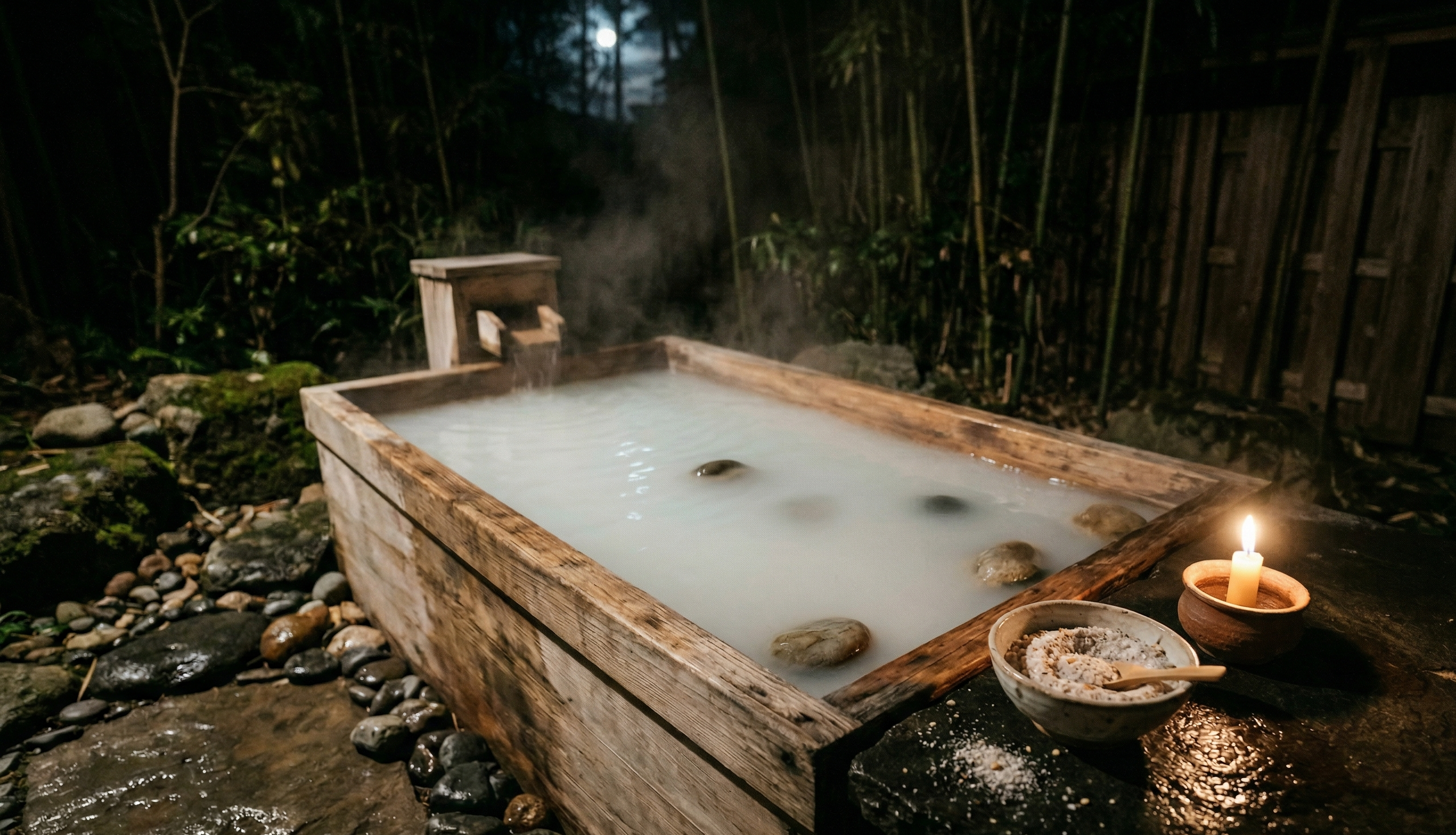
Hot Spring Powder (Onsen Powder) is a bath powder formulated primarily from natural mineral compounds, designed to replicate the therapeutic water chemistry of real hot springs. Premium versions use mineral extracts sourced directly from specific hot spring regions in Taiwan or Japan.
All three are used similarly, but their ingredient profiles and manufacturing philosophies differ fundamentally — and that difference directly impacts effectiveness and long-term skin safety.
Can You Actually Read the Ingredients in Regular Bath Additives?
Flip over a typical Japanese bath additive or mass-market bath powder and you'll usually find several key ingredient categories:
1. Surfactants
Surfactants help water penetrate the skin and lift away impurities. Common examples include Sodium Lauryl Sulfate (SLS) and polysorbates. While effective at creating a silky feel, prolonged use can strip the skin's natural lipid barrier, leading to dryness and increased sensitivity.
2. Synthetic Fragrances
That signature floral, fruity, or woody scent you love? It likely comes from synthetic fragrance compounds. The single word "Fragrance" on a label can represent a blend of dozens of undisclosed chemicals. For people with sensitive skin or eczema, these compounds are among the most common irritants in personal care products.
3. Colorants
Artificial dyes create the vivid pink, blue, or emerald bathwater effect. Most synthetic colorants are derived from coal tar compounds. While approved for cosmetic use in many countries, long-term dermal exposure remains a concern for sensitive individuals.
4. Preservatives
Preservatives extend shelf life. Parabens (para-hydroxybenzoate esters) are among the most widely used, though multiple studies have linked them to endocrine disruption. Pregnant women, infants, and people with hormonal sensitivities are advised to minimize exposure.
5. Sodium Carbonate / Sodium Bicarbonate
These pH-adjusting agents provide genuine mild benefits — softening skin and creating a slightly alkaline bath environment. They're among the most benign ingredients in conventional bath additives.
💡 Key Takeaway: The benefits of most conventional bath additives come primarily from chemical simulation rather than real mineral activity. Long-term use may place unnecessary burden on sensitive skin types.
What Makes Natural Hot Spring Powder Different?
High-quality natural hot spring powder has a dramatically simpler ingredient list. Here's what you'll typically find:
Core Ingredient: Natural Minerals
Genuine natural hot spring powder is concentrated from hot spring mineral sources. The key active components include:
- Sulfur (S): The most iconic hot spring compound. Exhibits antibacterial properties and supports skin cell turnover — particularly beneficial for acne-prone skin and back blemishes
- Sodium Bicarbonate (NaHCO₃): The primary mineral in Japan's famous "bijin-no-yu" (beautiful skin baths). Gently exfoliates dead skin cells, leaving skin noticeably smoother
- Sodium Chloride (NaCl): Supports the skin's natural osmotic balance and helps draw out metabolic waste products through the skin
- Calcium, Magnesium, and Potassium: Trace minerals absorbed transdermally that support muscle relaxation and nervous system regulation
The No-Additive Advantage
Premium natural hot spring powder is formulated without synthetic fragrances, artificial colorants, or chemical preservatives. This clean-label approach makes it genuinely appropriate for:
- Sensitive and dry skin types
- Eczema and atopic dermatitis sufferers
- Pregnant women (consult physician first)
- Infants, children, and elderly users
- Whole-family use with a single product
What Does the Science Say? Research-Backed Benefits of Hot Spring Bathing
Study 1
English Title: Effects of Balneotherapy on Skin Barrier Function and Hydration in Patients with Dermatological Conditions
Chinese Title: 溫泉浸浴對皮膚屏障功能與保濕度之影響研究
Abstract: This study enrolled 52 participants with impaired skin barrier function in a 4-week balneotherapy program (20-minute sessions, 3 times per week) using sodium bicarbonate and sulfur-based hot spring water. Results demonstrated a statistically significant 38% improvement in stratum corneum water content and a measurable reduction in transepidermal water loss (TEWL) values. Compared to conventional bath additives containing surfactants, natural mineral hot spring compounds produced significantly lower skin irritation scores. The study concluded that natural mineral-based bath powders offer superior long-term skin safety for sensitive populations.
Study 2
English Title: Systematic Review: Warm-Water Immersion Before Sleep and Its Effects on Sleep Quality and Slow-Wave Sleep
Chinese Title: 睡前溫水浸浴對深度睡眠品質改善之系統性文獻回顧
Abstract: This systematic review analyzed 13 clinical trials (n = 1,047 participants) examining the effects of pre-sleep warm-water immersion (38–40°C, 1–2 hours before bedtime) on sleep architecture. Pooled results showed a mean reduction of 9 minutes in sleep onset latency and a 15% increase in slow-wave sleep (SWS) duration. The proposed mechanism involves accelerated heat dissipation from skin after bathing, triggering the core body temperature drop that signals sleep onset. Adding natural mineral bath powder to the soak — particularly formulations containing magnesium — provided additional muscle relaxation benefits, further improving sleep quality scores.
Study 3
English Title: Safety Assessment of Bath Additive Ingredients: Impact of Synthetic Fragrances and Preservatives on Sensitive Skin Populations
Chinese Title: 入浴劑成分安全性評估:人工香料與防腐劑對敏感族群皮膚之影響
Abstract: This 8-week randomized controlled study (n = 89, including sensitive skin and atopic dermatitis subjects) evaluated the dermal safety of commercially available bath additives containing synthetic fragrances and paraben preservatives versus natural mineral hot spring powder. Results revealed that 26.4% of sensitive skin participants in the conventional bath additive group reported adverse reactions including pruritus and erythema. In contrast, only 3.2% of participants in the natural hot spring powder group reported any skin reaction. The study authors recommend that sensitive skin populations prioritize fragrance-free, preservative-free natural mineral bath powders to minimize irritation risk.
Is Japanese Bath Additive Always the Better Choice?
Many consumers assume that Japanese bath additives mean superior quality. Japanese products do excel in sensory experience and packaging design — and premium Japanese hot spring powder brands genuinely use natural mineral ingredients.
However, most mass-market Japanese bath additives share the same core formula: carbonates + synthetic fragrance + colorants. The active ingredient profile is comparable to similar Taiwanese products.
There's another practical consideration: longer supply chains demand more preservatives. Products shipped internationally require extended shelf stability, which typically means higher preservative concentrations. By contrast, locally produced Taiwanese natural hot spring powder benefits from shorter farm-to-bottle timelines, fresher mineral content, and the ability to minimize preservative use without compromising quality.
How to Choose the Right Bath Powder for You
Based on the analysis above, here's a straightforward selection guide:
| Your Needs | Recommended Choice |
|---|---|
| Sensitive skin or allergy-prone | Natural hot spring powder (fragrance-free, dye-free) |
| Whole family use including children | Natural mineral hot spring powder |
| Better sleep and muscle relaxation | Magnesium & sodium bicarbonate hot spring powder |
| Specific fragrance experience | Natural essential oil bath additive (not synthetic) |
| Daily moisturizing and skin smoothing | Sodium bicarbonate hot spring powder (bijin-no-yu type) |
FAQ
Q1: What is the difference between hot spring powder and regular bath additives?Hot spring powder is formulated around natural mineral compounds designed to replicate authentic hot spring water chemistry. Regular bath additives typically combine carbonates with synthetic fragrances and colorants to simulate the experience without the natural mineral content. Natural hot spring powder delivers cleaner ingredients with lower skin irritation potential.
Q2: Are Japanese bath additives better than Taiwanese hot spring powder?Not necessarily. Japanese products often excel in fragrance design and aesthetics, but most mass-market versions share a similar core ingredient profile with Taiwanese equivalents. Locally produced natural hot spring powder from Taiwan benefits from shorter supply chains, fresher mineral content, and lower preservative requirements.
Q3: Can I use bath powder every day?Natural mineral hot spring powder is safe for daily use. We recommend 15–20 minutes per session at 38–40°C. Bath additives containing synthetic fragrances or surfactants are better used 2–3 times per week to avoid over-stripping the skin's natural moisture barrier.
Q4: Is hot spring powder safe during pregnancy?Clean-formula natural hot spring powder is generally considered low-risk, but pregnant women should: keep water temperature below 38°C, limit each soak to 10–15 minutes, and consult an OB/GYN before use, especially in the first trimester or if any pregnancy complications are present.
Q5: Can children use bath powder?Yes, with precautions. Choose fragrance-free, dye-free natural hot spring powder and use approximately one-third to one-half the adult dosage. Infants under 12 months should bathe in plain water without any bath additives.
Q6: Will bath powder stain my bathtub?Natural hot spring powder without artificial colorants will not stain your bathtub. Brightly colored conventional bath additives containing synthetic dyes may leave residue in older tubs. Always rinse the tub thoroughly after each use regardless of product type.
Q7: What is the difference between hot spring powder and bath salts?Bath salts (such as Epsom salt) are primarily sodium chloride or magnesium sulfate in coarse granule form, commonly used for foot soaks or full baths. Hot spring powder is a multi-mineral compound formulated to replicate complete hot spring water chemistry, offering broader therapeutic benefits beyond what single-mineral salts provide.
Summary
Whether you're choosing bath powder, bath additives, or hot spring powder, your decision should ultimately come down to ingredient transparency and the needs of your household.
If your priorities are:
- ✅ Clean, minimal ingredients without unnecessary additives
- ✅ Safe for the whole family including sensitive skin types
- ✅ Genuine therapeutic mineral benefits that replicate real hot spring water
Then natural hot spring powder is the most appropriate choice currently available — whether Taiwanese-made or premium Japanese onsen powder, as long as the ingredient list is clean and the mineral content is clearly disclosed.
Before your next purchase, turn the package over and check for "Fragrance" and preservative entries on the ingredient list. That one habit will dramatically improve your odds of finding a product your skin will genuinely thank you for.
TAGS
hot spring powder, bath additive, bath powder, Japanese bath additive, natural bath additive, natural hot spring powder, onsen powder, bath soak, bath powder recommendation, Japanese bath powder, home spa, natural bath soak, bath additive ingredients, hot spring powder ingredients, benefits of bathing, bath additive comparison, sensitive skin bath, fragrance-free bath additive, Taiwan hot spring powder, Dafang bath powder, wellness bath, mineral bath, bath soak benefits, onsen bath additive, bath additive safety, natural bath powder, bath salts vs hot spring powder, bath additive for kids, pregnancy-safe bath powder