
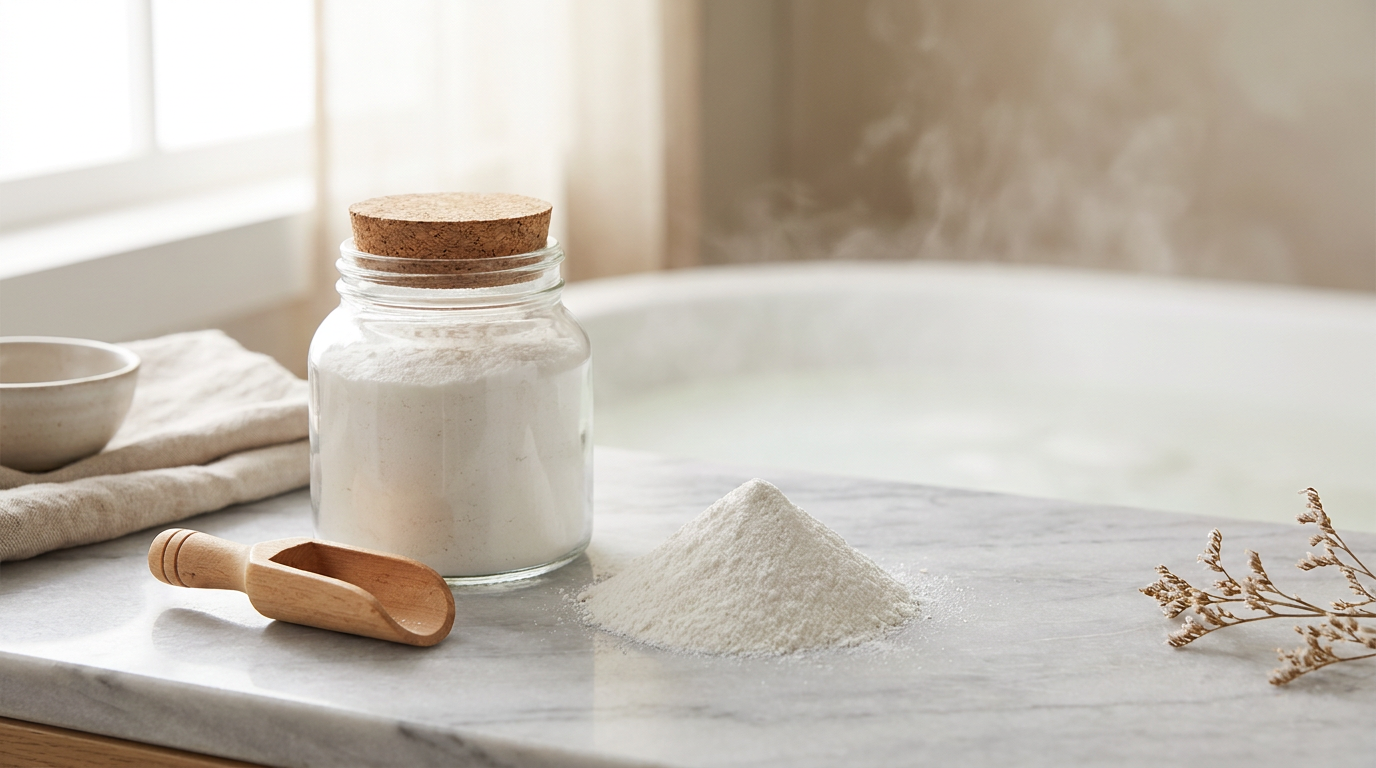
- Onsen powder is popular because it lets you create a small bathing or footbath ritual at home — no trip to a hot-spring town required.
- New to white-sulfur onsen powder? Get four things straight first: the natural scent, the amount, the water temperature, and rinsing afterward.
- You don't need the largest pack first. Start with a trial set or a single-use amount.
Why Has Onsen Powder Taken Off?
Modern life is busy, and many people want to soak but rarely find time to travel for it. Onsen powder meets that need: add it to a tub or a foot basin and you have your own at-home wind-down ritual.
At the same time, shoppers increasingly care about simple, natural ingredients. Many mass-market bath products lead with synthetic fragrance, color, and fizz. White-sulfur onsen powder takes the opposite route — natural mineral, no additives. That shift from fragrance-led to nature-led is the heart of the trend.
What Is White-Sulfur Onsen Powder, and How Does It Differ from Genyu?
It's a crystalline mineral powder drawn from natural sulfur springs. In Beitou's white-sulfur springs, volcanic gas and vapor form snow-like "tanghua" crystals on the water's surface. Processed by traditional methods into a fine powder, it recreates the milky hue and gentle white-sulfur scent of the source spring when dissolved in hot water. Industry estimates suggest roughly 2 tonnes of spring water yield about 1 gram of crystal — which is why it's so rare.
"Genyu" refers to undiluted water taken directly from the spring source. The table below compares both with ordinary bath additives.
| Aspect | White-Sulfur Onsen Powder | Genyu (Source Spring Water) | Ordinary Bath Additive |
|---|---|---|---|
| Source | Beitou white-sulfur tanghua crystals | Direct from spring source | Synthetic formula |
| Focus | Natural mineral, no additives | Full on-site spring character | Fragrance, color, fizz |
| Shelf life | Dry powder, long | Short, needs careful storage | Long |
| Convenience | Just add to hot water | Requires delivery/prep | Just add |
| Scent | Natural white-sulfur; varies by batch | Stronger source scent | Synthetic fragrance |
| Best for | A daily at-home bath/footbath ritual | The closest to an on-site soak | Adding scent to a regular bath |
If you arrived by searching "bath additive," "bath powder," or "bath salts," think of DaFang as a natural mineral bathing product from Beitou white-sulfur tanghua — not a fragrance-led product built around perfume and bubbles.
How to Use It: Four Principles
Pre-moisten the powder, use a sensible amount, control water temperature and time, and rinse and moisturize afterward. For steps and temperature guidance, see the DaFang how-to-use guide. First time? Start with a small amount and a short soak.
FAQ
Q1: Is a strong white-sulfur scent normal?
Yes. DaFang is purely natural with no added fragrance; the scent is that of the white-sulfur crystals themselves and varies by batch with weather and crystal conditions. That's a property of a natural source, not a defect.
Q2: Can I use it without a bathtub?
Yes. A foot soak in a basin with a small amount of powder is the simplest option; you can also do a half-body soak in a larger bucket.
Q3: Which pack should I buy first?
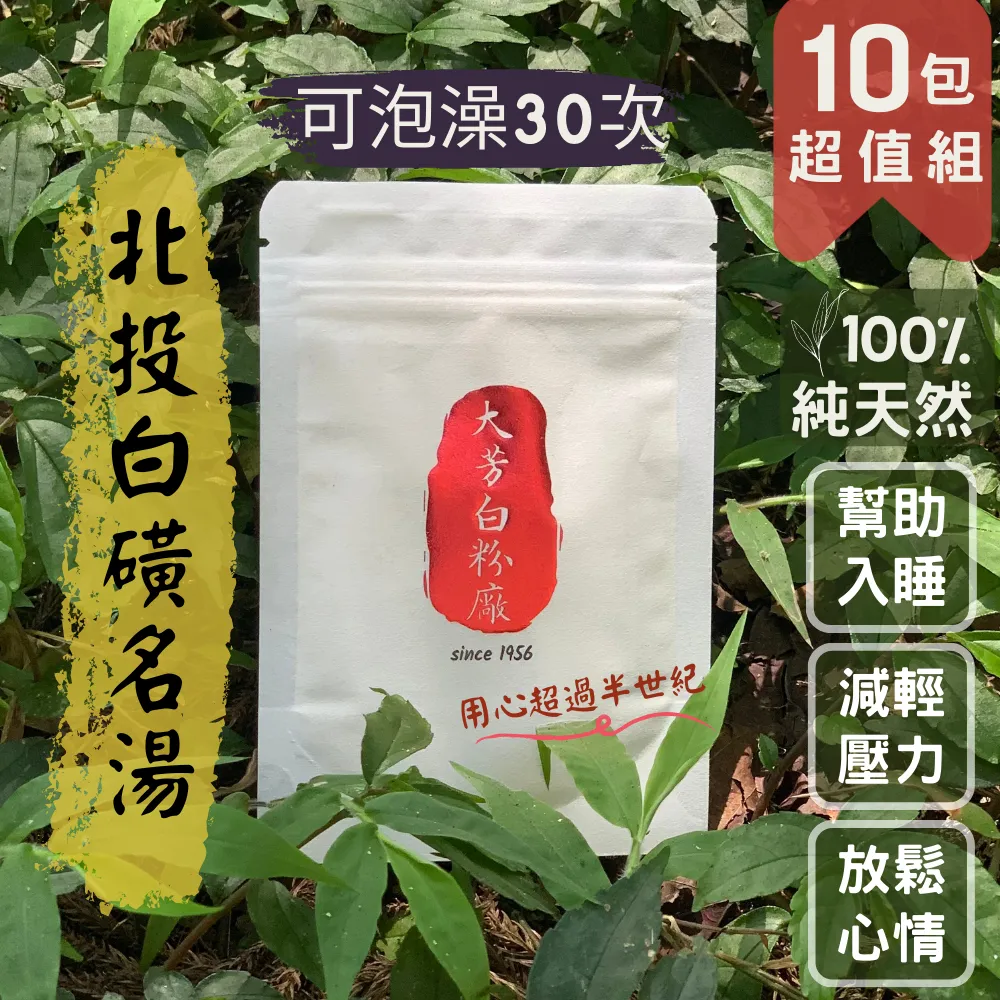
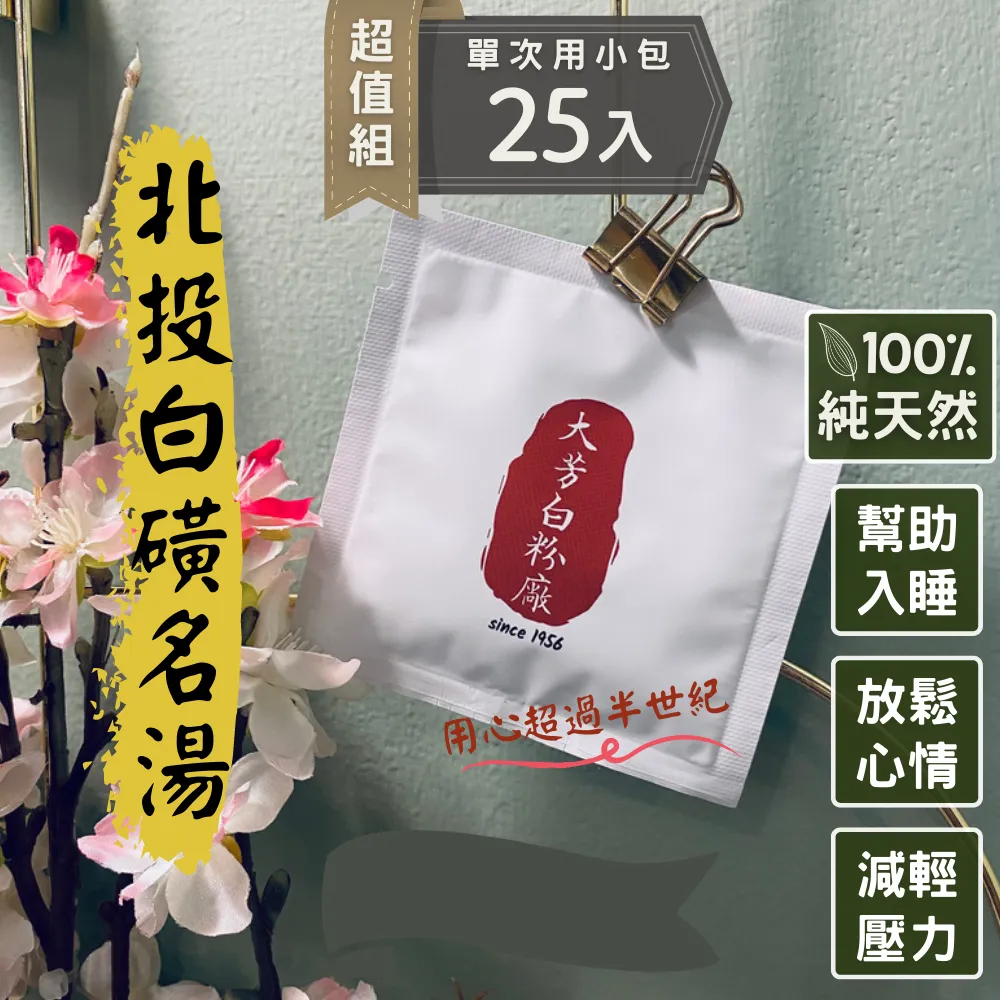
To test scent and feel, start with a trial set or single-use amount. If you know you'll use it regularly, consider a medium or household pack.
Q4: What's the biggest difference from a regular bath additive?
Source and intent. White-sulfur powder is a natural mineral crystal with no synthetic fragrance or color; ordinary additives center on scent, color, and bubbles.
DaFang is a natural bathing product, not a medical product, and makes no therapeutic claims. If your skin is irritated or broken, or you are pregnant or buying for a child, consult a professional before use.