
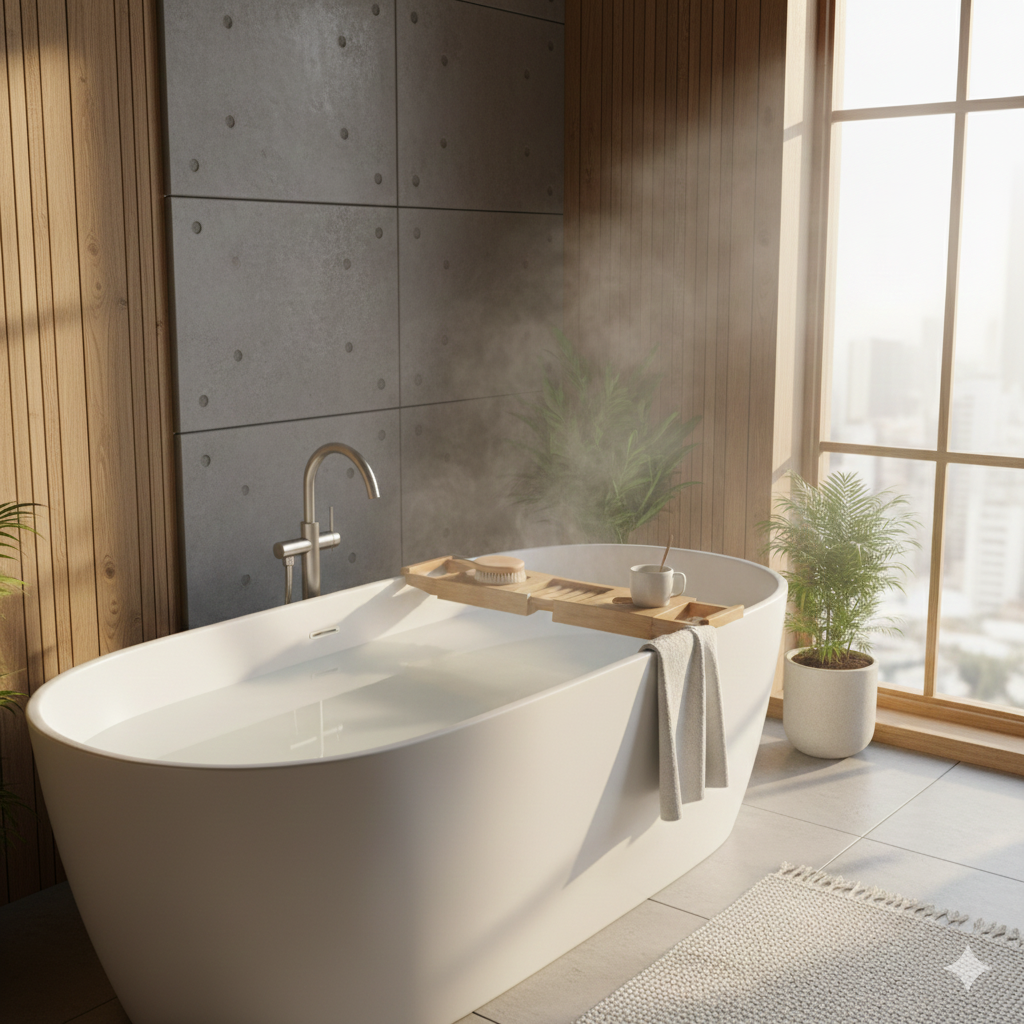
As the winter chill sets in, nothing beats a hot, relaxing bath at home. However, many people hesitate to use bath powders or bath salts, fearing that they might stain their expensive bathtubs or damage the plumbing.
In reality, most damage to bathroom fixtures comes from specific additives, not the bath itself. Today, DaFang 1956 explains the key differences between commercial bath additives and our Natural White Sulfur Hot Spring Powder, and shares 3 simple tips to keep your bathtub pristine while you soak.
At a Glance: Commercial Bath Salts vs. DaFang Natural Powder
Before we dive into the tips, let's look at why some products leave stains while natural hot spring powder is easier to clean.
| Feature | DaFang 1956 (Natural White Sulfur) | Commercial Bath Salts / Additives |
| Main Ingredient | 100% Natural Beitou Sulfur Crystals | Synthetic compounds, salts, fragrances |
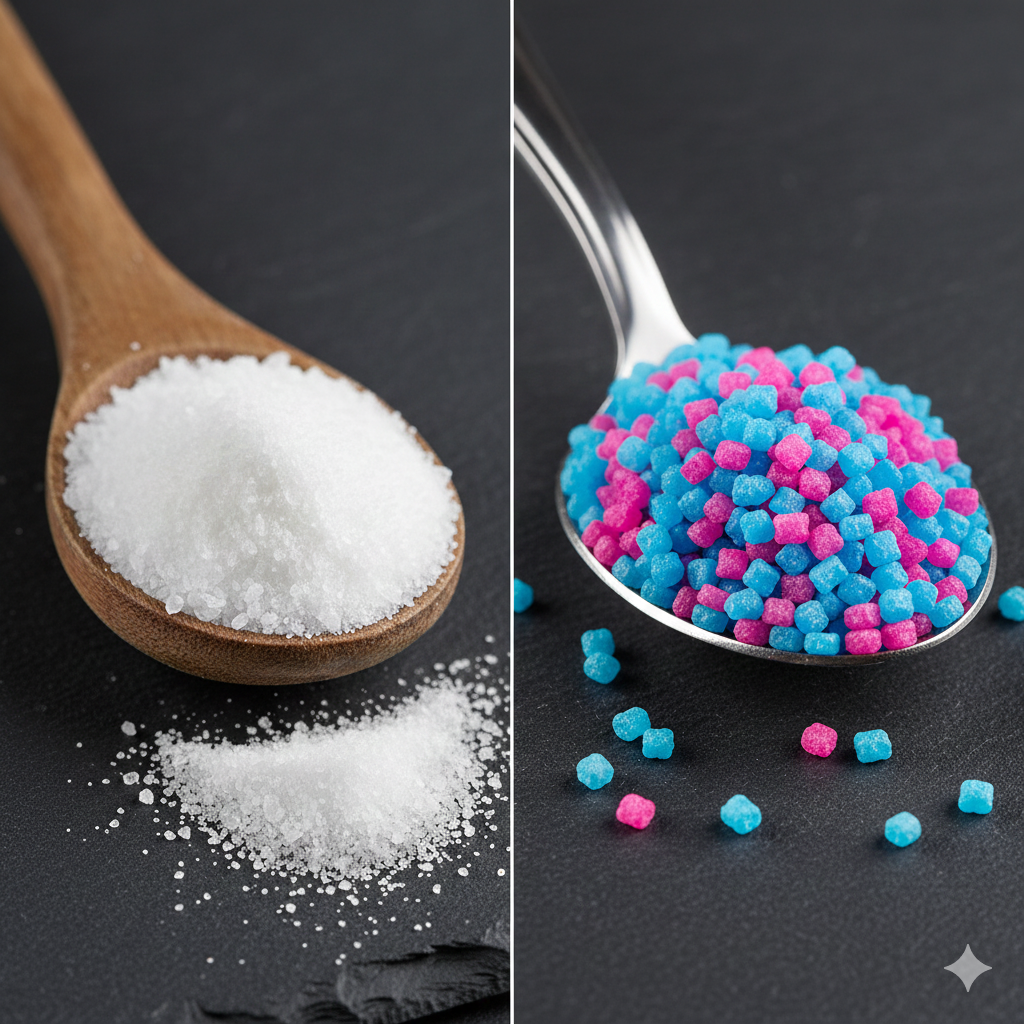
| Color Source | Natural minerals (Milky White) | Artificial Colorants (Red/Blue/Fluorescent) |
| Scent | Light natural sulfur aroma | Strong synthetic fragrances |
| Cleaning | Easy rinse with water | Risk of color staining; requires scrubbing |
| Skin Effect | Soothes and conditions skin | May irritate sensitive skin |
1. Why Do Some Bath Additives Stain Your Tub?
To create a visually appealing experience, many commercial bath powders or bath bombs contain high concentrations of artificial dyes and synthetic fragrances. If these ingredients are used frequently or left in the tub for too long, the pigments can seep into the microscopic pores of the bathtub material (especially in older tubs or grout lines), causing stubborn stains that are hard to remove.
The Natural Advantage:
In contrast, DaFang’s Hot Spring Powder is made from 100% natural White Sulfur crystals (Yunohana). Its signature milky-white color comes purely from the minerals themselves, containing no artificial dyes. Using our powder is like bringing the authentic Beitou Hot Spring into your home—luxurious, natural, and free from the worry of chemical stains.
2. Will Sulfur Powder Damage My Pipes?
A common myth is that "sulfur will corrode your plumbing."
It is true that some types of sulfur springs, such as the "Green Sulfur" found in Beitou, are highly acidic (pH 1-2) and can corrode metal.
However, DaFang 1956 produces "White Sulfur" powder. Sourced from the Beitou Thermal Valley and processed using traditional methods, our powder is much milder (pH 4-5). As long as you follow the recommended concentration instructions and drain the water after use (rather than letting it sit in the pipes for days), it is perfectly safe for standard home plumbing systems.
3. Three Tips for Safe Bathing & Bathtub Care
Want to enjoy a hot spring bath without compromising your bathroom fixtures? Just follow these three simple rules:
Tip 1: Know Your Bathtub Material
Standard acrylic, ceramic, and FRP bathtubs are excellent for hot spring powder.
(Note: Natural stone tubs often have larger pores, so we suggest testing a small area first. If you have expensive metal fixtures, try to avoid direct prolonged contact with the water or rinse them thoroughly afterward.)
Tip 2: Rinse Immediately After Use (Crucial!)
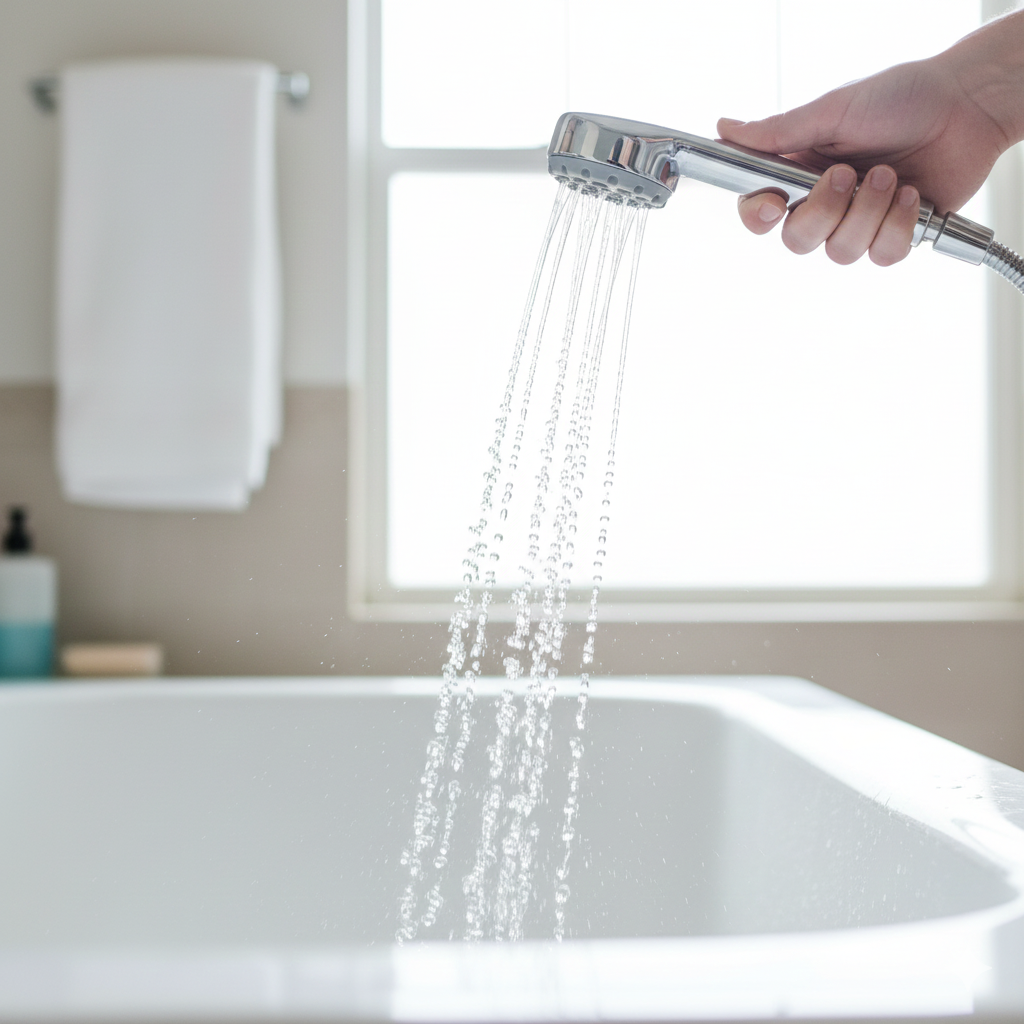
This is the most important step. After draining the bathwater, rinse the inside of the tub with clean water from the showerhead while the surface is still wet. Since natural sulfur powder attaches physically, it rinses off easily when wet but can require more effort if allowed to dry and harden.
Tip 3: Gentle Cleaning is Enough
If you notice a thin layer of white powder remaining on the surface, don't worry—that is simply the precious mineral "flower" (Yunohana). You do not need harsh chemicals or steel wool to remove it. A soft sponge with plain water is all you need to wipe it away, keeping your tub looking brand new.
Frequently Asked Questions (FAQ)
Q1: Does DaFang Hot Spring Powder have an expiration date?
A: Our product consists of 100% natural mineral crystals. Like salt, it is chemically stable if kept dry. However, to comply with regulations and ensure the best experience, we state a shelf life of 5 years. Please store it in a cool, dry place to prevent clumping.
Q2: Is it safe for children or the elderly?
A: Yes. White Sulfur is much milder than Green Sulfur, making it suitable for families. For children and the elderly, we recommend a water temperature of around 38-40°C (100-104°F) and a bathing time of 10-15 minutes. Ensure the bathroom is well-ventilated.
Q3: Can I use the leftover bathwater for laundry?
A: We do not recommend it. Although our product is natural, the mineral content and trace sulfur may interact with fabric fibers or cause slight discoloration on light-colored clothes. We suggest draining the water or using it to flush the toilet instead.
Conclusion:
Don't let the fear of staining ruin your winter relaxation. Choose DaFang 1956 for a dye-free, additive-free experience. It’s not just an authentic treat for your skin—it’s the safest premium bath powder for your home.
👉 [Shop Now] Buy one Get One Free100% Natural Beitou White Sulfur Hot Spring Powder
Further Reading
Tags: Bath Powder, Hot Spring Powder, Beitou Hot Spring, Bathtub Care, Natural Bath Salts, DaFang 1956, White Sulfur